
Gemini Intelligence entered November 2026 with a wider device footprint and a mixed schedule of features that are available now, coming to a new phone, or still rolling out. Google's November 10 announcement is useful because it puts those states on one page. A reader comparing AI tools should keep them separate: an announced widget or car suggestion is not a feature every eligible person can use today.
This report is based on Google's dated November 10, 2026 announcement, retrieved November 12. It is a release summary, not a hands-on test. Availability statements below are attributed to Google and may vary by device, country, language, age, account, or subscription.
Gemini Intelligence: what Google announced on November 10
Google said Gemini Intelligence is expanding to more devices, including Pixel 10 models and Motorola's signature 27. The post describes new or expanded capabilities such as Rambler, task automation, Create My Widget, Device Assistance, and proactive help across screens. Those labels cover different kinds of access. Some are on specified devices now, some expand by region, and some are described as coming over the next few weeks.
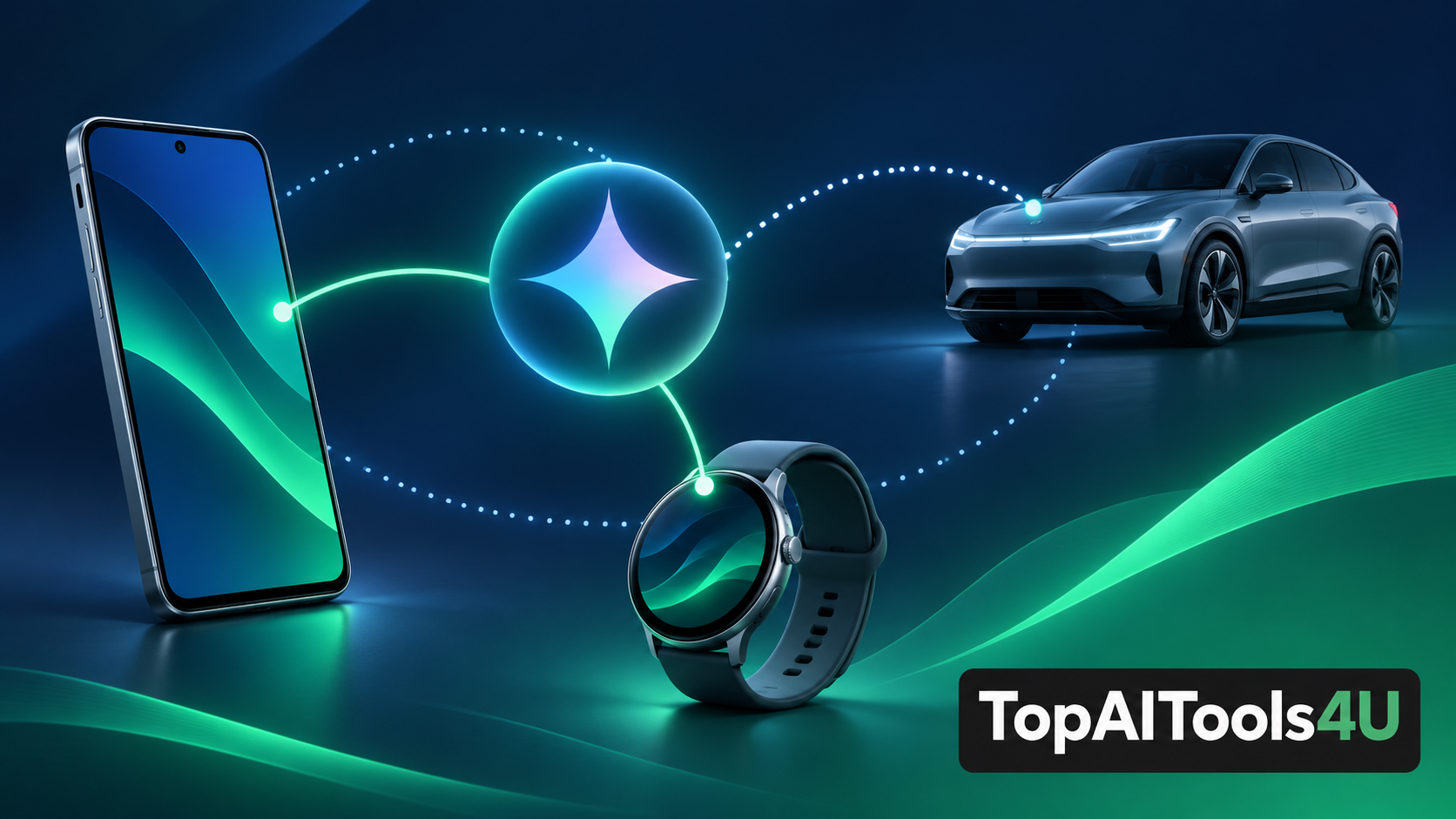
The main editorial takeaway is that this is an ecosystem rollout. It connects phone, car, and watch use cases rather than presenting one standalone chatbot feature. That is an inference from the grouped announcement; it is not a claim that all features share one launch date or work identically everywhere.
Available now: specified Pixel 10 features and current expansion
The announcement says the latest Pixel Drop brings Gemini Intelligence capabilities to Pixel 10, Pixel 10 Pro XL, and Pixel 10 Pro Fold. It also says Rambler, which turns spoken thoughts into organized text, is available on specified Pixel 10 models. Task automation is expanding to the UK, India, and Japan. These are concrete provider statements, but the footnotes qualify access by device, country, language, account, and sometimes age or subscription.
A buyer should therefore read “available” as “available to the eligible audience described by Google,” not as universal. A phone model name alone is not enough to establish that a particular user sees a feature. The post itself says feature availability varies.
For an AI-tool directory, that distinction matters. A product page may list the umbrella capability, while a person deciding what to use needs to know whether their device and region are included.
Announced or rolling out: Motorola, widgets and car suggestions
Google says Motorola signature 27 is available for U.S. pre-order on November 19. That is a future pre-order date relative to this November 12 report, not proof that the phone is already in a customer's hands. Google also says Create My Widget is rolling out over the next few weeks and is coming to Pixel Watch in that period. Proactive suggestions on Android Auto are described as coming soon for eligible Pixel users.
The timing here is deliberately cautious. A feature presented in a release post can be planned for a staged rollout, and a staged rollout can differ by market. This article does not assign an exact general-availability date where Google has not supplied one.
The practical consequence is simple: do not buy a device or switch a workflow solely because a future feature appears in a headline. Confirm the relevant account and device support when the feature is actually offered to you.
Why the device layer changes the tool decision
Many AI products are judged by a web chat interface. Gemini Intelligence is being positioned through Android surfaces: writing input, device assistance, widgets, and in-car context. That can make the value more immediate for someone already using eligible devices. It can also make evaluation more complicated because the same named feature may be tied to operating system version, hardware, region, or connected applications.
Google describes Device Assistance as a way to ask the phone for help with settings and maintenance tasks. That is a different job from generating a long answer or summarizing a document. The right evaluation question is whether it helps complete a concrete device task within the user's actual permissions. This report has not tested that behavior.
The Gemini catalog entry covers the broader AI product. This November update concerns Gemini Intelligence on devices and should not be read as an across-the-board change to every Gemini experience.
What the announcement does and does not prove
The dated Google post establishes what the company says it has launched, expanded, or plans to roll out. It does not establish independent reliability, error rates, privacy outcomes, or user satisfaction. Those questions need separate evidence. The post's own footnotes warn that responses should be checked and availability varies.
It would also be misleading to treat Semrush's measured search volume for “gemini intelligence” as interest that arose during the last seven days. The metric is a monthly US keyword estimate retrieved for this editorial workflow. The recent signal is the November 10 official post; the monthly metric is only evidence of broader search demand. Neither measures weekly searches for this release.
Our inference is that a device-based assistant may be more useful when its controls appear in a person's existing workflow. That remains a hypothesis until the relevant feature is accessible and evaluated in context.
What to watch next
The next useful checkpoints are the November 19 Motorola pre-order, the staged availability of Create My Widget, and the promised Android Auto suggestions. Each should be checked against Google's current support documentation when it arrives. We will not treat a planned rollout as complete merely because the launch article remains online.
For organizations, account administration and regional support may matter as much as a feature demo. For individuals, the decisive test is whether the feature appears on their device and solves a recurring task without making review harder. Neither judgment can be settled from a release announcement alone.
The Android AI story is broader than one app, but each device surface needs its own availability check. Gemini features described in a release post should be evaluated against the account and hardware that a reader actually has.
FAQ
Is Gemini Intelligence available on every Android phone?
No such universal claim appears in the November 10 announcement. Google names selected devices and notes that availability varies by device, region, language, and other conditions.
Is Motorola signature 27 already generally available?
Google announced a U.S. pre-order date of November 19, 2026. As of this report's November 12 date, that pre-order date is in the future.
Are watch widgets and Android Auto suggestions live for everyone?
No. Google describes those items as coming over the next few weeks or soon. Check current support information for a particular device and account.
Conclusion
Gemini Intelligence's November 2026 update broadens Google's device story, but its parts have different availability states. Pixel 10 additions and specified regional expansions are presented as current; the Motorola pre-order, more widgets, and car suggestions have future or staged timing. Treat the November 10 post as dated official evidence, then verify the exact feature on the device before relying on it.